
We use cookies to measure site usage and improve your experience. Cookie policy
There's a specific kind of driveway clutter that is a car that doesn't run. It's not technically rubbish, but it's not transport either. It's just there, accumulating road tax exemptions and slightly judgemental looks from neighbours.
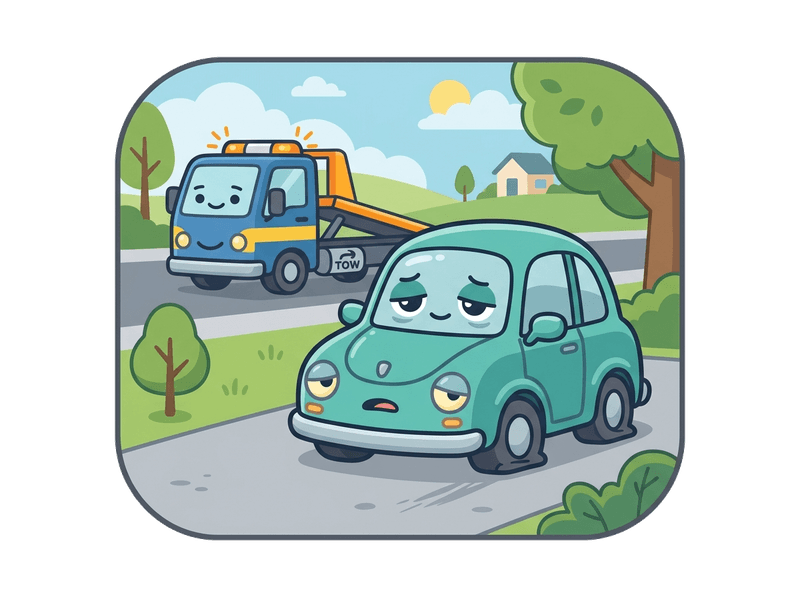
Yes, and it costs the same as any other collection: nothing. A flatbed comes either way, so whether the engine turns over makes no difference to the price. Non-runners are quoted on weight, condition and salvageable parts, most at £100 or more. An intact catalytic converter alone can add £100 to £400.
Last updated
scrapcar.london collects non-runners. Flat tyre, dead battery, seized engine, catastrophic gearbox failure — it doesn't matter why it won't move, only that we can. Our flatbed recovery vehicles are equipped to collect vehicles that cannot be driven, towed, or pushed.
We'll agree a price based on your vehicle's make, model, and condition, then come to you with the right equipment. No fuss, no extra charges for recovery.
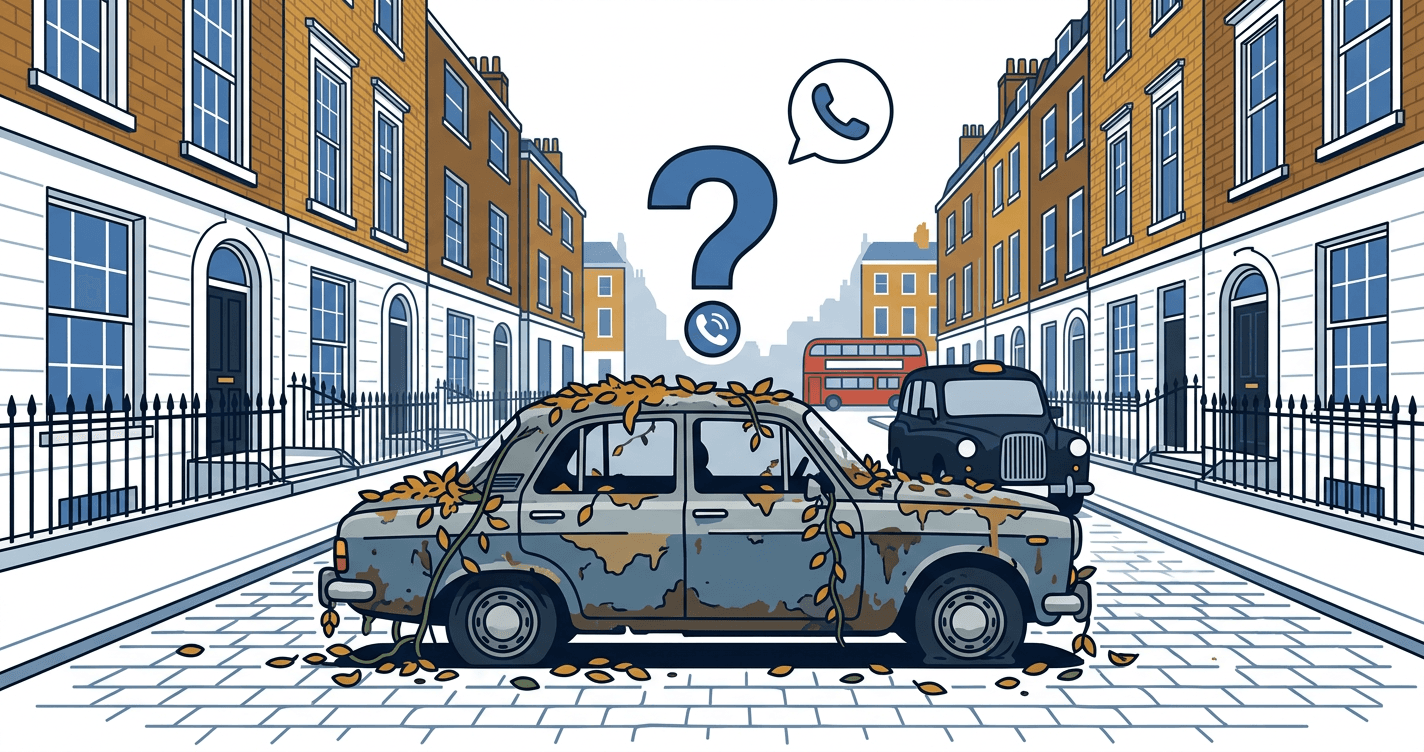
There's an abandoned car outside your house. What are your options, what are the rules, and who is actually responsible for getting rid of it?
Free collection across London and the South East. No hidden fees, no moving goalposts.
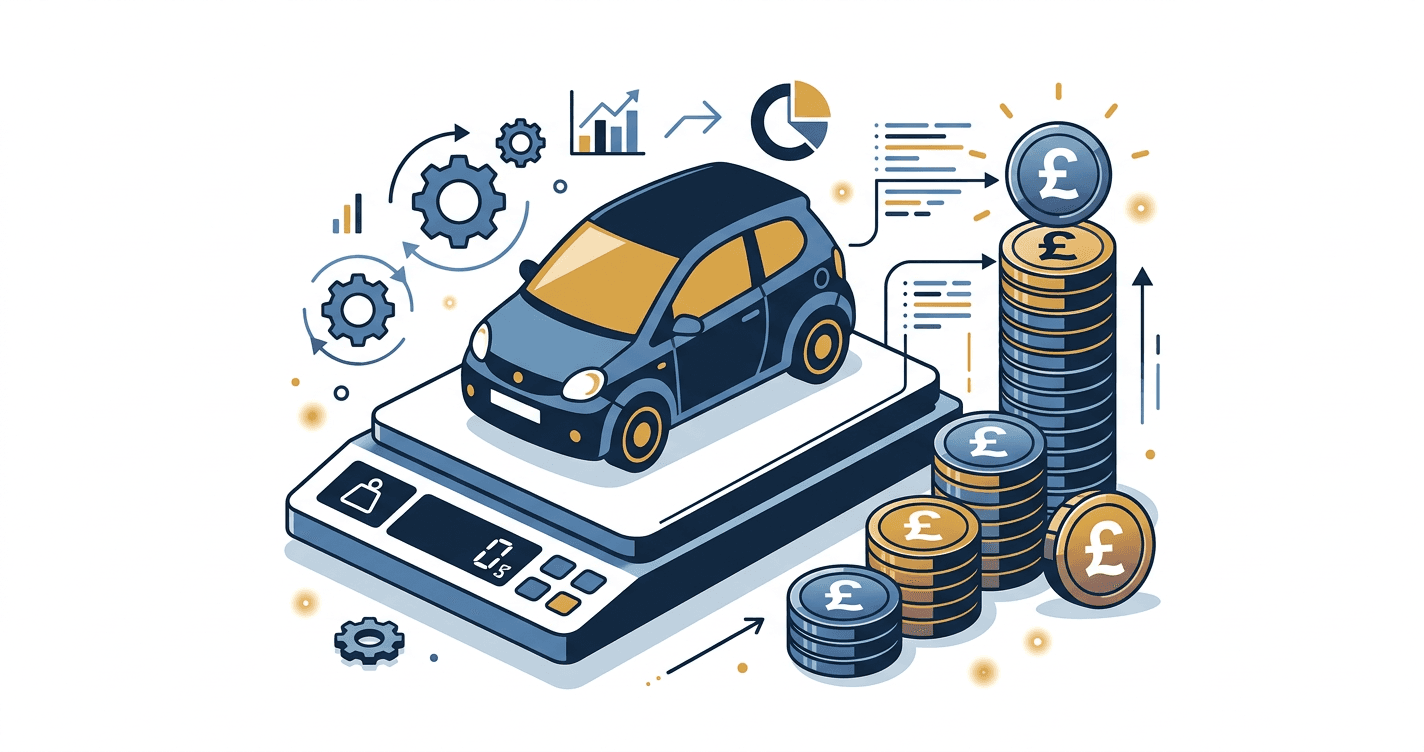
The price of a scrap car isn't random — it's driven by weight, current metal prices, and what salvageable parts are still on the vehicle. Here's how it works.
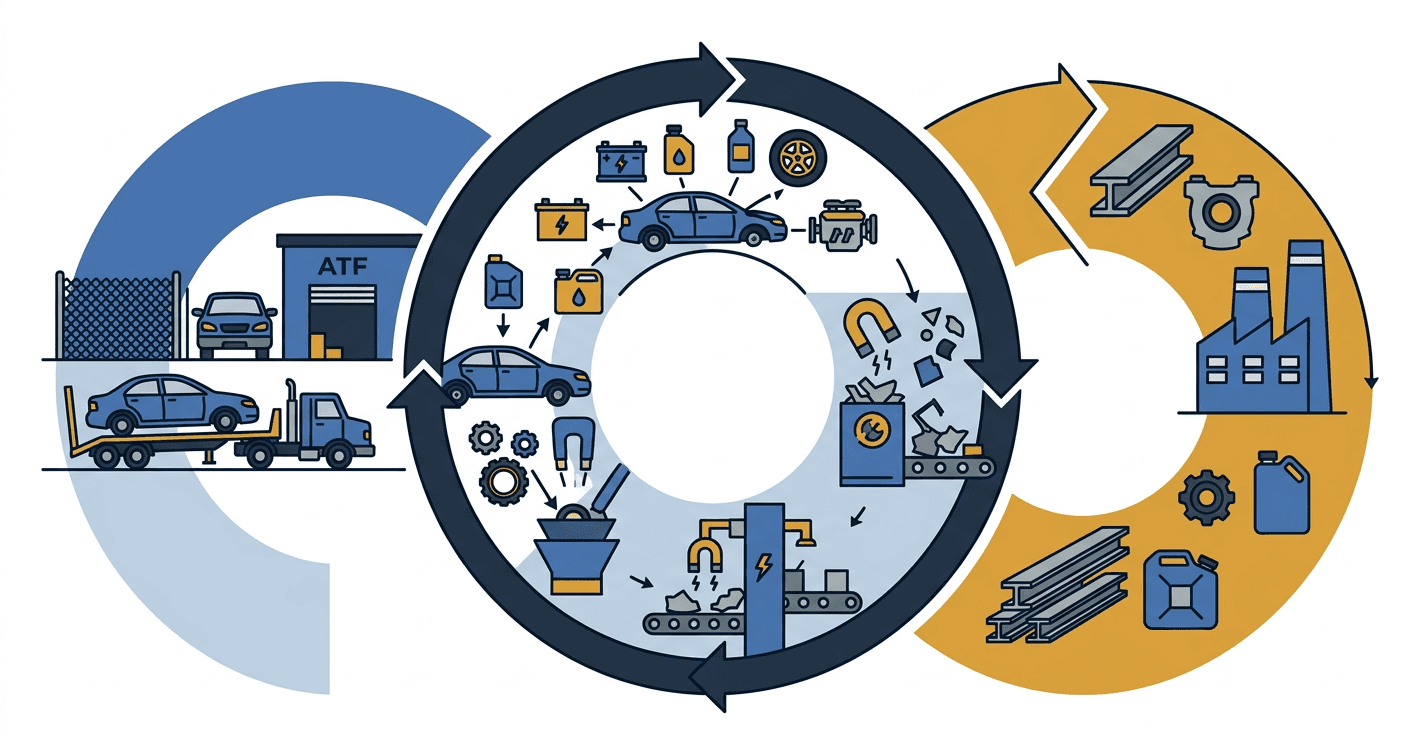
Most people assume scrapping a car means sending it to the crusher. The reality is more complex — and more environmentally thoughtful than the industry's reputation suggests.